Apophenia

Hold on tight – this is going to be more than a little tangential. After writing the Curta/Rohloff post yesterday, I was seized by a desire to re-read Pattern Recognition. So I did! When I got a hundred or so pages in, I had a little shock of recognition myself:

Pattern Recognition Cornell Box

Recognition, because the book on the top of my nightstand stack is Simic on Cornell.

Simic on Cornell

I’m moderately confident that this is pattern recognition gone wrong – and there’s a word for that!

Pattern Recognition Ch 12

Definition of apophenia 

the tendency to perceive a connection or meaningful pattern between unrelated or random things (such as objects or ideas)*

Good for a laugh, but pattern recognition and its evil twin are near and dear to my heart. K asked recently if i was a ‘spotter’ – one of those people who see stuff in the woods before anyone else does, or when no one else sees the thing at all. I allowed as I probably was, but that I wasn’t sure if my skill extended outside of the northeastern US. I’ve written about what I tend to call ‘native vision’ before (while talking about the Blue Ant books!) ; it’s a central plot line, as far as I’m concerned, in a top 5 movie – Kurosawa’s Dersu Uzala. An aside – honing my spotter skills in different biomes is a Big Bike Ride goal.

Another bit of characterization in Pattern Recognition caught my eye, too. Boone Chu, Cayce Pollard’s computer security sidekick,has a bit of Mod fun, riding a scooter wearing a fishtail parka emblazoned with an RAF roundel*.

I ride a G.S. scooter with my hair cut neat
I wear my wartime coat in the wind and sleet

– I’ve Had Enough/Quadrophenia/The Who

Sometime during the reading I called up some tunes from Quadrophenia on the hi-fi, and noticed the title’s suffix. Because I was already thinking about apophenia, the lack of an R (it’s not Quadrophrenia!) struck me – esp since Jimmy, the protagonist, is presented as having 4 personalities. With an R:

Suffix[edit]

-phrenia

  1. mental disorder.*

Coming up with a definition for the sans-R suffix, -phenia, is a little trickier. One idea is that it /should/ have been apophrenia and the dropped R is a mistake. But I like this idea:

…if the word derives from “apo” and another Greek word, “phainein” […] meaning “to make appear,” then apophenia is correct after all.*

The suffix works nicely with Quadrophenia – it was recorded during the heyday of quadraphonic sound systems – and though apparently the vinyl was never quad, I remember a ton of pre-relase marketing noise bruiting Quadrophenia as quad sound’s full realization. “Making quad appear” works!

And finally. a chapter title from Pattern Recognition that wraps up The Who, the Big Bike Ride and pulling meaning from coincidence up in a neat bow.

Pattern Recognition Ch 16

* They’re called roundels damnit, NOT TARGETS
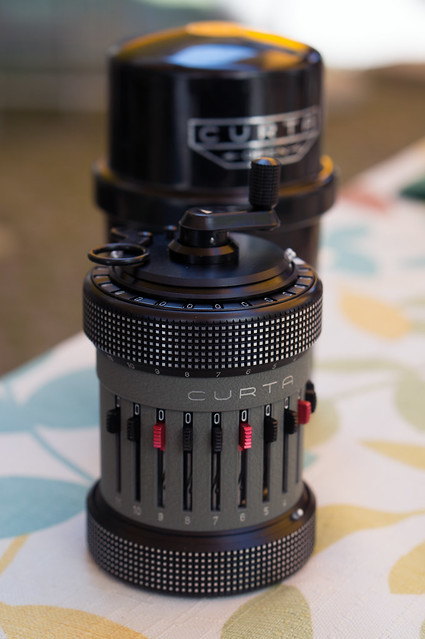
 

Got a match?

I’m resurrecting a format from the past because the high-wheeler post got me thinking about cylinders jam-packed with complex bits.

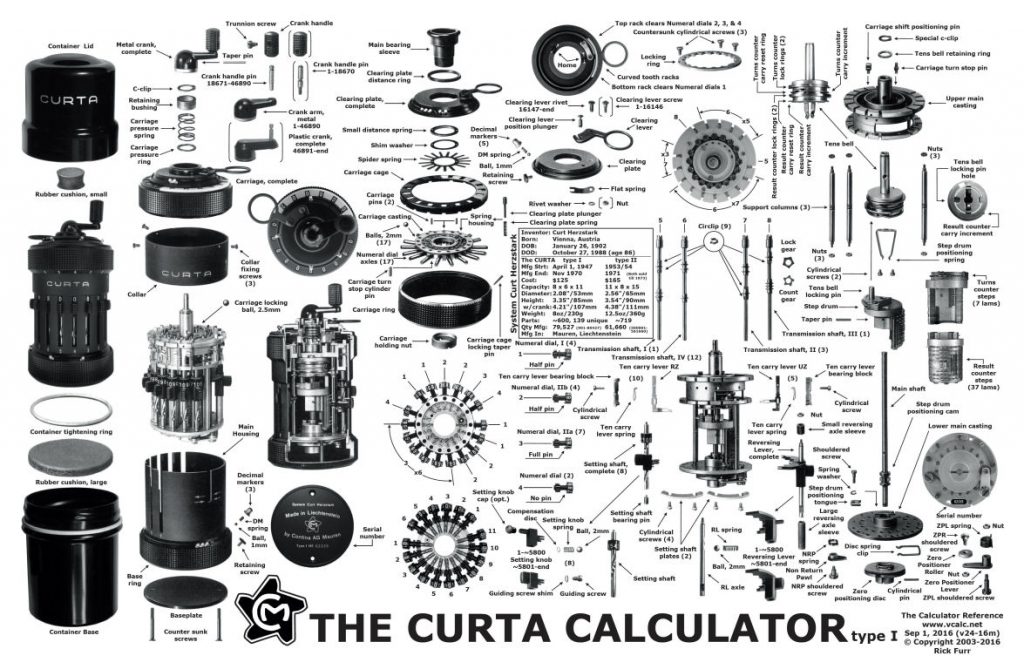
The Curta calculator first came onto my radar screen as I read William Gibson’s Pattern Recognition. – a Curta is used in a swap: calculator for decrypted info. At the time, I was working at a boarding school in central NH; when I mentioned this odd calculator to a math teacher, he said, offhandedly, “Oh, I know about those! In fact I think there’s one up in the attic.” We searched, but no joy. So I’ve yet to see one in person but that has not stopped me from coveting.

Type II Curta

Curta Type II

Parts and a look inside

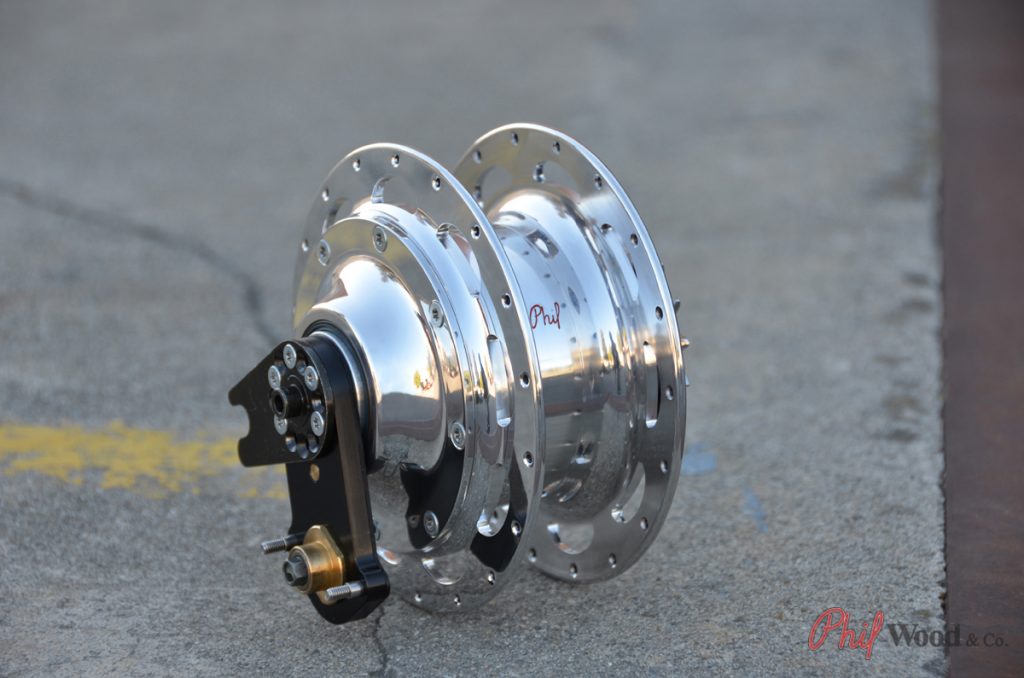
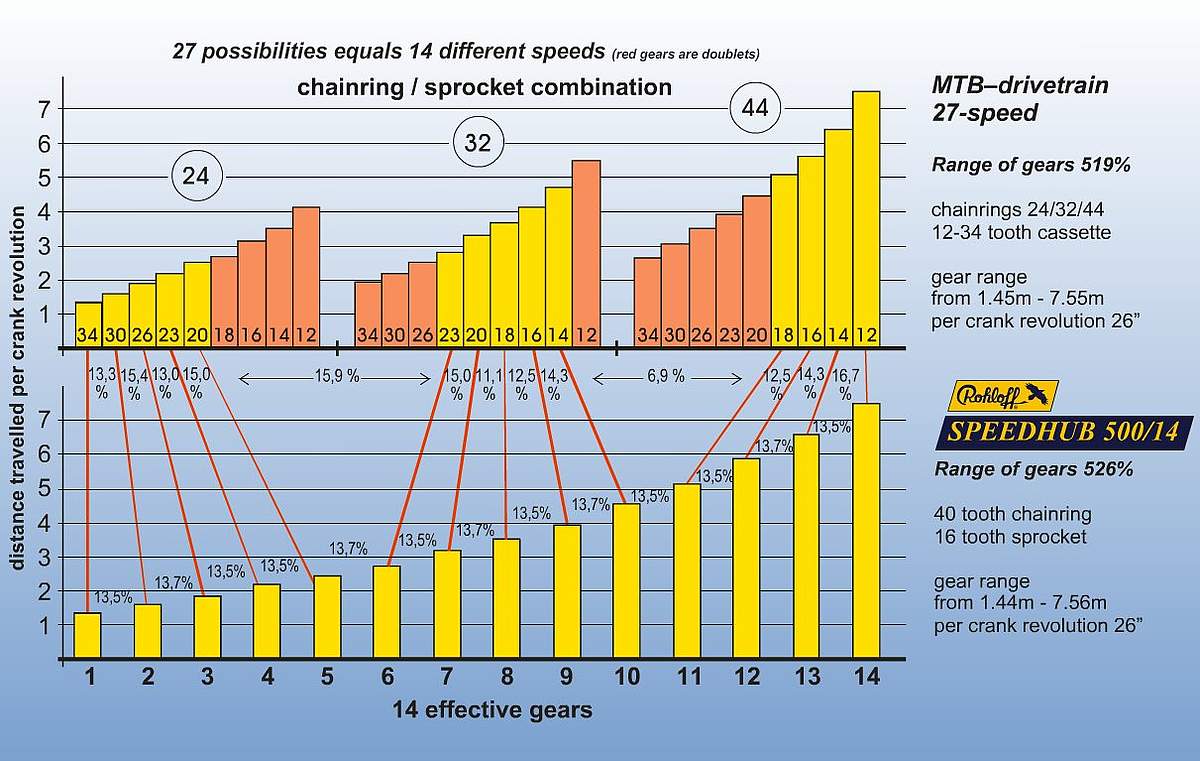
I’m sure you saw the match coming a mile away – the second cool cylinder is the Rohloff Speedhub. Beautiful. intricate, robust and functional (it’s 14 speeds are evenly stepped – something that other internally geared hubs can’t pull off) – what’s not to love? Oh, yeah, as mentioned below, the price. Throwing caution to the wind and setting another wad of cash on fire, the ‘before’ Rohloff photo is an example with a Phil Wood hub shell. I have no idea how much the Phil shell would add to the price, but omg it’s lovely.

The Phil shell gives you spoke count options – the std Rohloff is 32 spoke drilling only

Speedhub

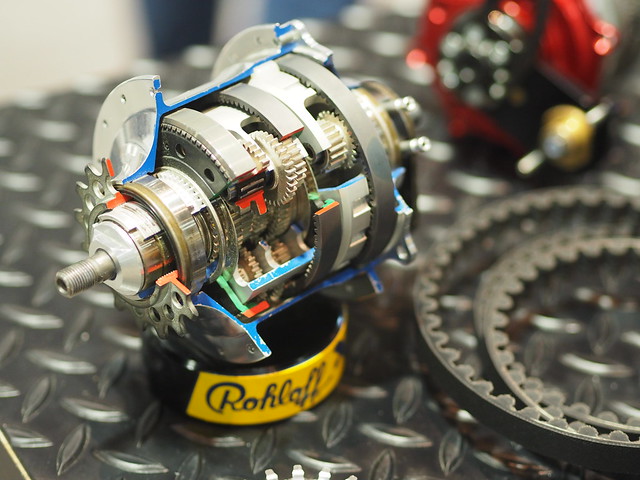
A repeat from the Ordinary post – Rohloff cutaway from my trip to NAHBS

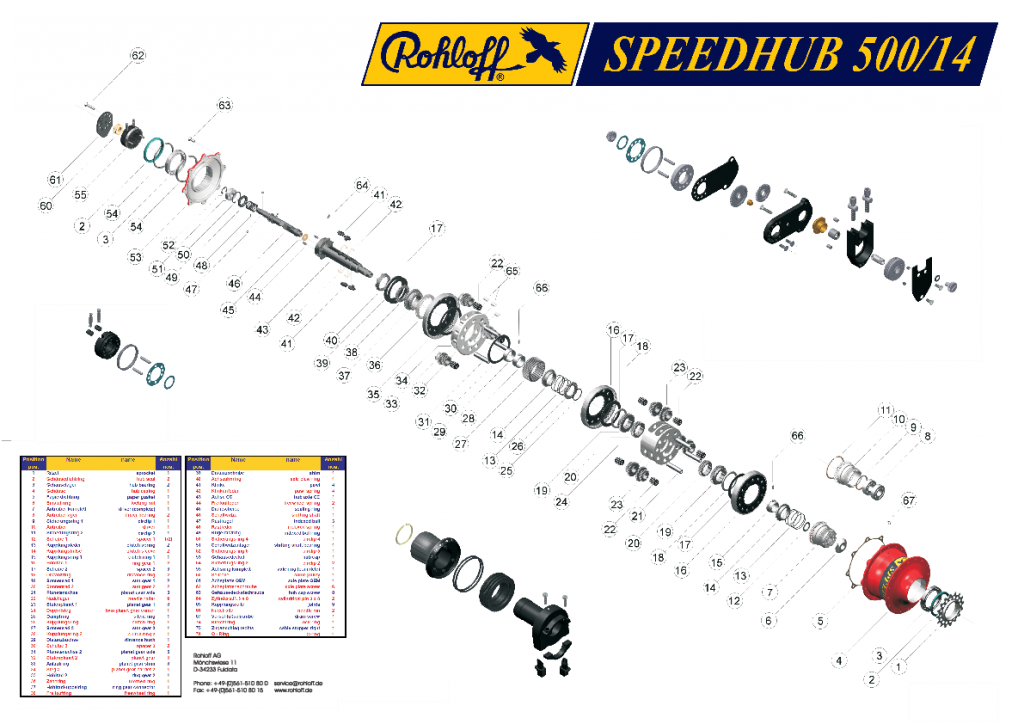
And a very exploded view!

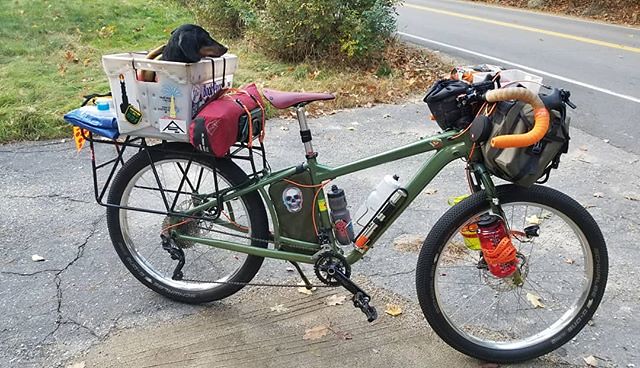
My current ‘one bike to rule them all’ fantasy starts with a Speedhub-equipped Tumbleweed Prospector frame, 27.5 Plus tires, a big basket up front for teckels, a big saddlebag in back and some sort of trailer for hauling beehives around exurban Quebec. A boy can dream… And if I went that route, I guess I’d have to budget in the money to eBay myself a Curta as well!


The Why? behind the Big Bike Ride

K asked me recently whether I’d posted anything about the thinking that led me to plan a serious long duration bike tour and I had to confess that I hadn’t. I’ll remedy that with a bit of the history of the idea and some of the things I hope to do on the ride.

I’ve thought about going mobile for a long time; I was struck by Stephen Bodio’s description of prairie/basin and range grouse hawkers and their Airstreams and tipis back in the mid-80s and the urge to try my hand at technomadism has been in my head ever since. Over the past few years, a constellation of factors, personal and societal, brought the desire to a full boil. There was the heart attack that demonstrated conclusively that I’m not immortal, a different kind of heart issue that led to a period of grieving, and all the thoughts and feelings that accompany watching loved ones in cognitive decline. The larger world doesn’t supply a lot of hope either. We’re rushing towards 1.5C/2.7F global temperature increases within 20 years and a country (hint: the US) that could lead on global warming issues is led by an incompetent kleptocrat, And as a side note, news came in this morning that Brazil has elected the fascist Bolsonaro who, among other things, has vowed to open up the Amazon to commercial exploitation. That’ll sure help with climate change (true, but not in a desirable direction)! Seems like a good moment to chuck it all and travel a bit. But how to travel? I had 3 options in mind:

  • Airstream. Pros: comfy! Cons: price (esp when the tow vehicle is factored in), lack of maneuverability.
  • Van conversion. Similar to the Airstream, but less comfy and more maneuverable.
  • Bicycle. Pros: cheap! Low/no carbon! Cons: much smaller load capacity.

The bike option won. I love bike touring – I think it is one of the very best ways to actually experience the country one moves through. It can be stealthy, low impact and inexpensive. And a well set up bike can handle a huge range of terrain: pavement to singletrack. My body was also a consideration; apparently I am not getting any younger and if I do want to take a big ride, sooner is favored over later.

So a-riding we shall go! The thing I most want to do on the trip is simply to experience the landscape: rocks, rivers, trees, birds, lizards, people, bridges, stars in the night sky and everything else I can wrap my senses around. And I want to learn! I want to pick my high school Spanish back up and get way better at it. I want to write more, and more betterer. 😉 I want to learn the names of unfamiliar things, I want to improve my photography and film making chops: I’m bringing a camera with macro and tele lenses for wildlife stuff and a couple GoPro Sessions for on the bike vids and kite aerial photography. I’m going to go fishing – and swimming! And I’m going to ride where I want at any pace I feel like. The riding itself is also part of the point. I find it to be meditative and a good way to sort things out in my head. I’m hoping to spend significant time in the moment – Flow for Dummies – and I want to think about post-ride activities – how I can help my loved ones survive The Jackpot.

Pre-ride. Bundled up.

We’re now a couple weeks from departure (I hope). Soon, this space will become a travelogue blog!


Extra-Ordinary

I fell over this hilarious thought experiment recently and thought I’d post on it as it touches on a couple of interesting topics: bike history and bike gearing.

The big advancement ordinarys incorporated that put them miles ahead of their boneshaker predecessors was Eugene Meyer’s wire-spoke tension wheel. Lower weight and comfort – the boneshaker was instantly obsolete. The high-wheeler’s time at the top of the bike heap was brief – Meyer’s bike was introduced in 1869 and the first safety bicycle (what we think of when we say bike), the Rover, hit the pavement in 1885. In 1888 John Dunlop used pneumatic tires on a trike and the increased comfort for riders of small wheels was the high-wheel’s death warrant. Of course (because we are kooky primates), people still race Ordinarys – skip ahead to the 9 minute mark for actual racing action. And kudos to the small person wearing pink cowboy boots!

Why the huge wheel? I’m sure you know this already, but in a word, SPEED. Ordinarys are direct drive – one pedal revolution equals one wheel revolution. If you want to cover more ground per spin, increase the diameter (and thus the circumference) of the wheel you are turning.

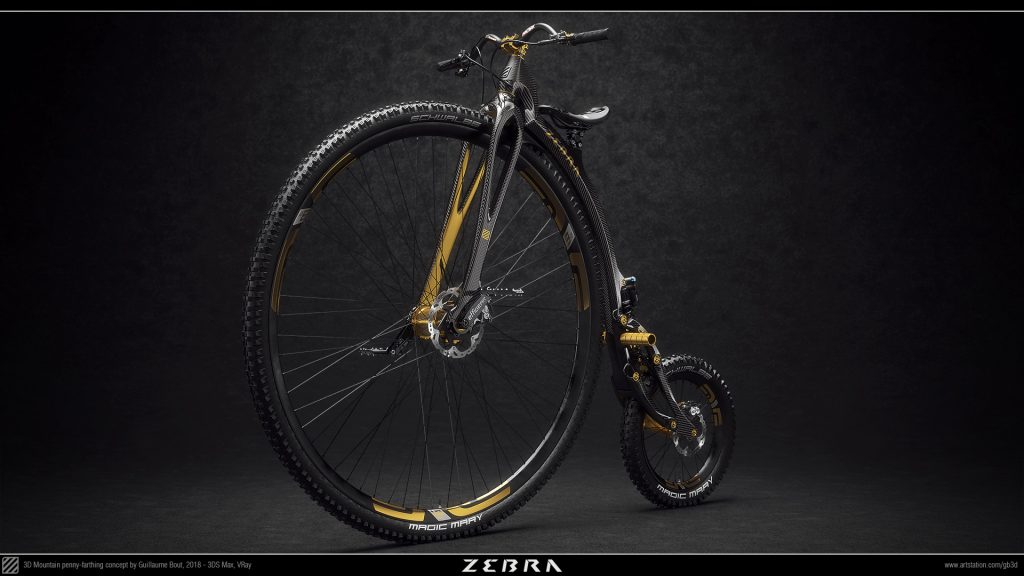
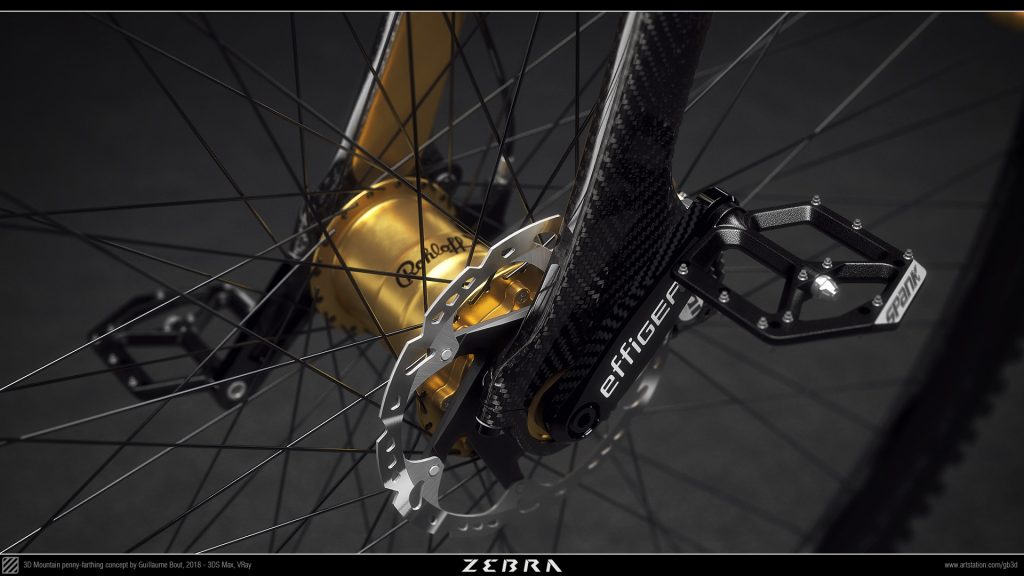
Not satisfied with 1:1, Mr. Bout modeled a unicycle/Rohloff 14 speed hub mashup. At this point my smile became full on laughter. WHY? Why would you do this? The whole point of high-wheels is that the wheel defines the gear ratio!!?! 😀 But I got hold of myself – first, this is a modeling/illustration exercise so, really, who cares, and second, it gave me something to think about.

A weird blend of concentric unicycle Kris Holm hub and Rohloff speed hub with what would be huge bearings. Is this even possible ? I don’t know. The Effigear cranks are borrowed from my previous bikes, and shortened.

My immediate question was “I wonder what that gearing would work out to be?” I think about bike gearing in terms of gear inches rather than gear ratios – an explanation of gear inches and gear development is here. Whenever I’m thinking about gearing my first stop is the late Sheldon Brown’s site – there’s an online calculator and tons of info on internally geared hubs. Before I started calculating, though, this stopped me short:

To maintain optimum functionality and safety of the Speedhub, the lowest allowable gear combinations are 42/17, 38/16 or 36/15. These are the equivalent to a 22/32 combination on a conventional drivetrain.

So, apparently, there’s a minimum amount of torque needed to run a Speedhub. Will this bike supply that? I’ll assume the wheel diameter is 52 inches (a not-unusual high-wheel size) and since it’s 1:1, that’s 52 gear-inches easy-peasey. Inputting a 27.5×3.0 wheel (Molly Fin’s), a 42 tooth chainwheel and a 17 tooth cog into Mr. Brown’s online calculator gives us 70.9 gear inches. So, nope, wouldn’t work – or at the very least would void the warranty on a very expensive bit of German engineering (standard, that is to say, not ‘nonexistent unicycle-modified’, Rohloff hubs start at $1,300 and go up from there). Regardless, let’s press on! Again taking the same wheel and gearing setup, the calculator tells us that a Speedhub gives us a range of 19.8 / 22.4 / 25.5 / 29.0 / 32.9 / 37.4 / 42.5 / 48.3 / 54.8 / 62.4 / 70.9 / 80.4 / 91.5 /103.9 gear inches. Since 26 is half of 52, I plugged in a 26 inch wheel and 24 teeth on both the chainwheel and cog (1:1) and then doubled the result. This high-wheeler would have a range of 14.2 / 16.1 / 18.6 / 21.0 / 23.8 / 27.2 / 31.0 / 35.2 / 39.8 / 45.4 / 51.6 / 58.4 / 66.6 / 75.6 – that’s a really l-o-w set of gears. Appropriate, I guess, for trying to maneuver a huge wheel up and down trails. To get to equivalent safety bike gearing, just grow the wheel to 71 inches (and sign up a very tall rider) or, y’know, put a chain on it.

Note: I think my gear reasoning is sound, but am open to correction. And I’ll end with a couple relevant photos from last winter’s North American Handmade Bike Show.

Speedhub

Speedhub cutaway

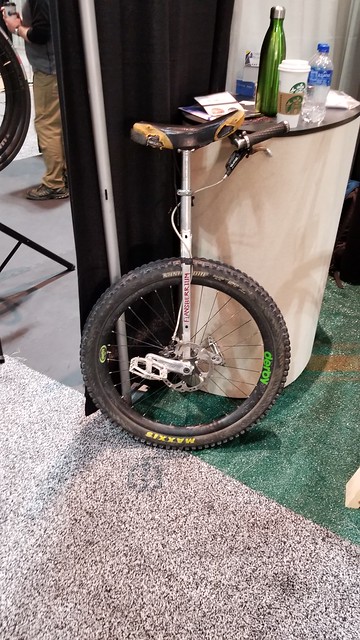
Unicycle

Unicycle!

36er

Thirtysixer!