
Steampunk.
- “The Tomorrow That Never Was”: Retrofuturism in the Comics of Dean Motter – good essay on (obviously) retrofuturism. via BB
- This is my new desktop wallpaper. It’s a little busy, but I rarely see the desktop anyway… via Paleo-Future.
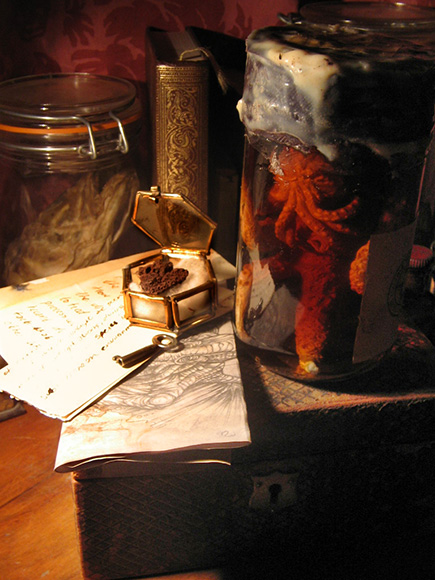
- Incredible eBay auction (via Wired). The artist’s website is Many Dead Things – warning: disturbingly gruesome in at least one instance. I will be keeping an eye peeled (hee, hee) – one of his upcoming projects? “At the mountains of madness case (a lovecraft themed project)” .
Ink.
The only thing I’ve seen that might redirect my desire for a Pazyryk bird head-antlered elk:
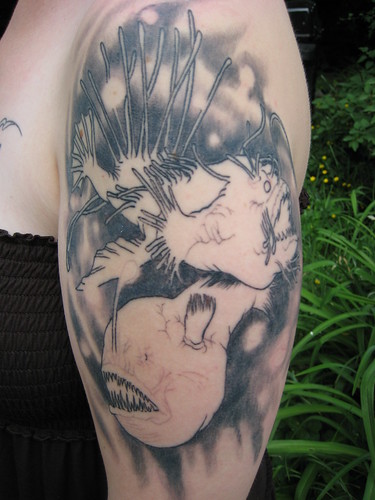
Needs more Trieste!
Privacy.
- If you think the advice in an earlier post on maintaining anonymity online was tinfoil hat stuff, take a look at the EFF’s suit against AT&T. (more info here and here – 2nd link is a PDF)
In 2003 AT&T built secret rooms hidden deep in the bowels of its central offices in various cities, housing computer gear for a government spy operation which taps into the company’s popular WorldNet service and the entire Internet. These installations enable the government to look at every individual message on the Internet and analyze exactly what people are doing. Documents showing the hardwire installation in San Francisco suggest that there are similar locations being installed in numerous other cities.
- The Panopticon Flickr group (shudder).
ATT + NSA makes a pack of shoggoths look benign. A palate cleanser:
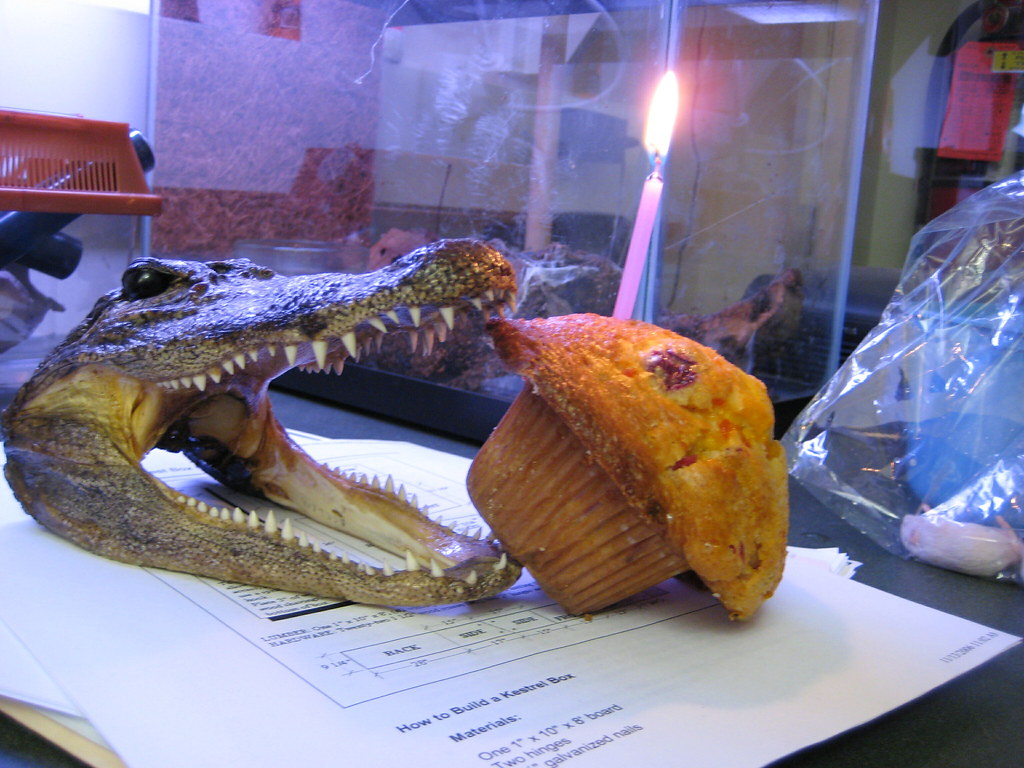
 – looks like it’s time to add it to my wish list (or to suggest it to my friendly neighborhood